- Published on
Sharpa Launches D01 Robot, W02 Hand and AE01 Haptic Glove at IROS 2026
One tap, and our reporting appears more often in your Google Top Stories. It makes a real difference to a small newsroom.

Supported by RoboStrategySupport for Humanoids Daily comes from RoboStrategy
Sponsored

Investing involves risk, including possible loss of principal. Read the prospectus before investing.
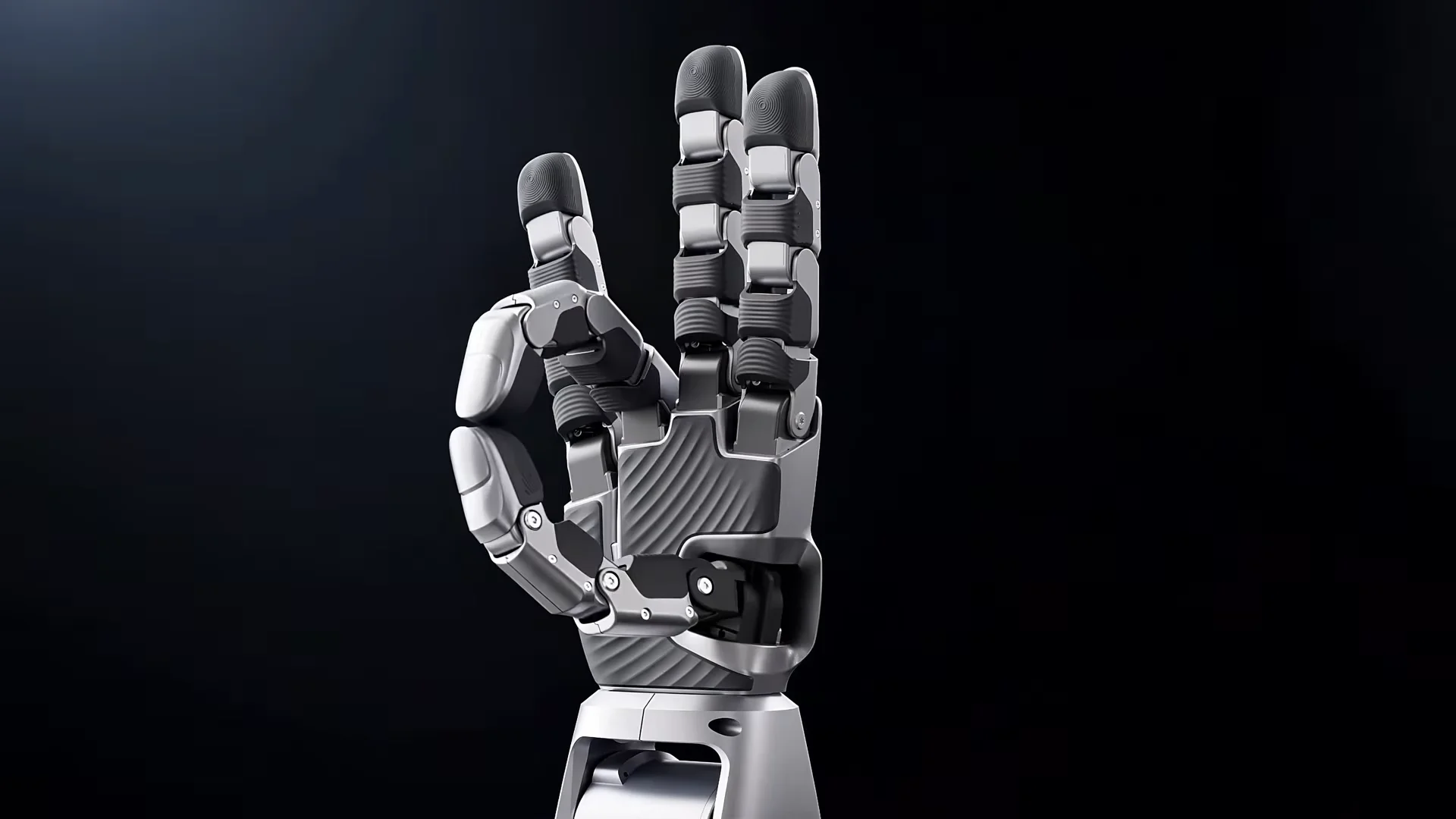
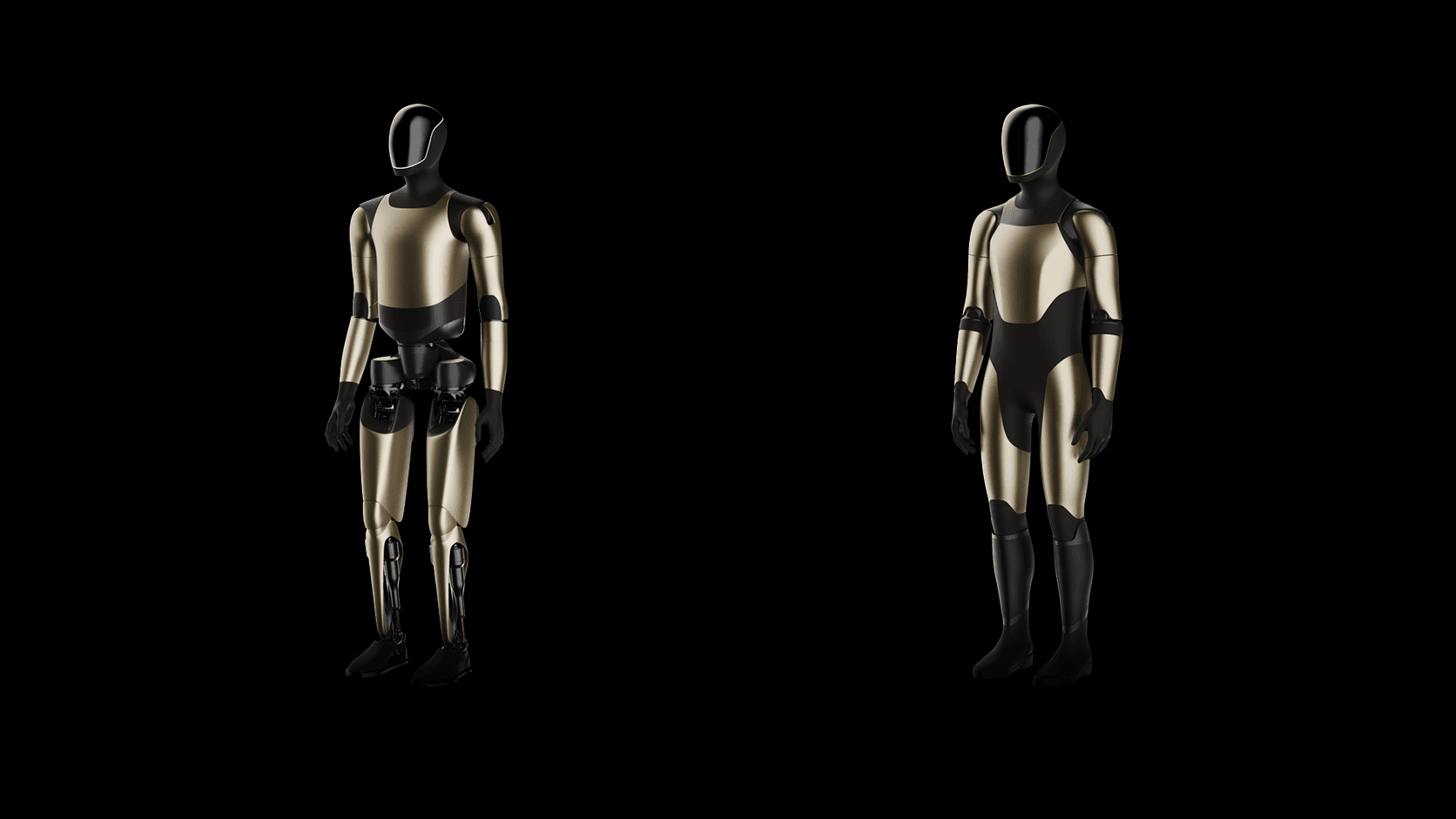
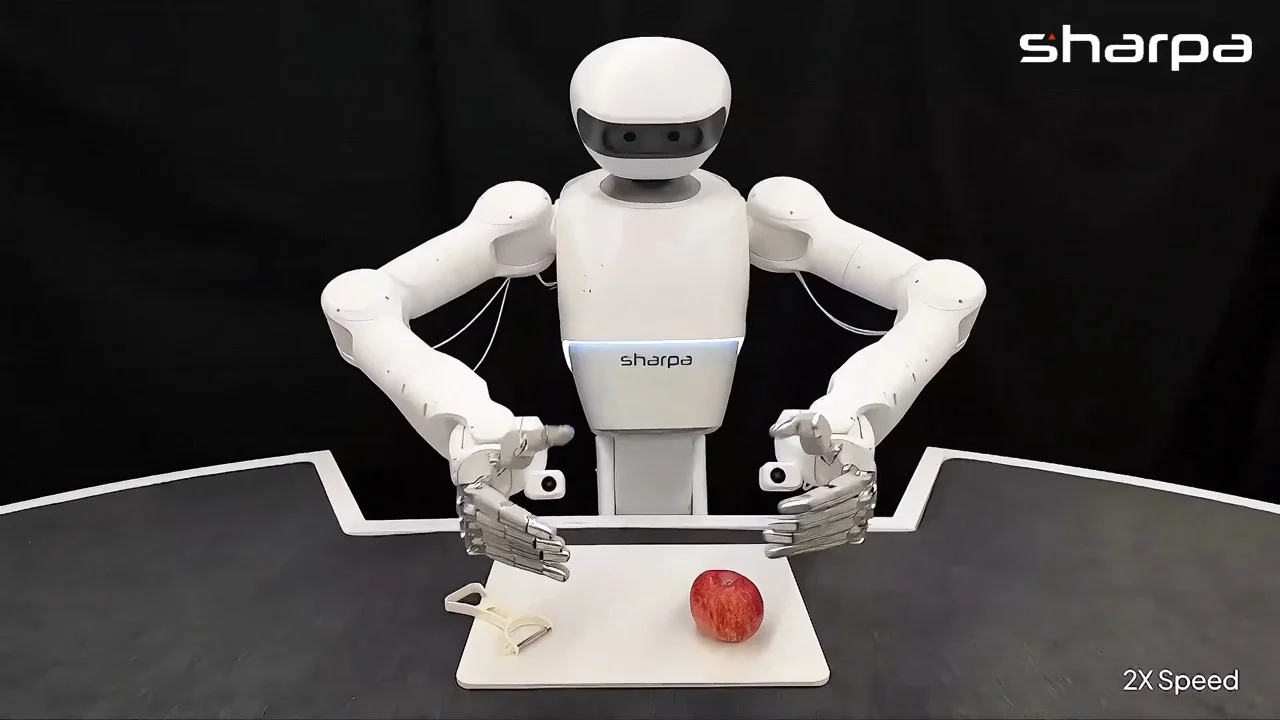
Sharpa has unveiled three products at IROS 2026 in Pittsburgh: the Dexa D01 manipulation robot, Wave W02 dexterous hand and Avatar AE01 haptic data glove. Together, they expand its hardware offering from robotic hands into an integrated platform for performing tasks, sensing contact and collecting human demonstrations.
The September 28 announcement puts touch at the center of the lineup. D01 incorporates electronic skin on its body, W02 extends sensing beyond the fingertips, and AE01 gives human operators tactile feedback while they control a robot.
- D01 combines seven-degree-of-freedom arms, dexterous hands and body tactile sensing, with a listed payload of 5 kg per arm.
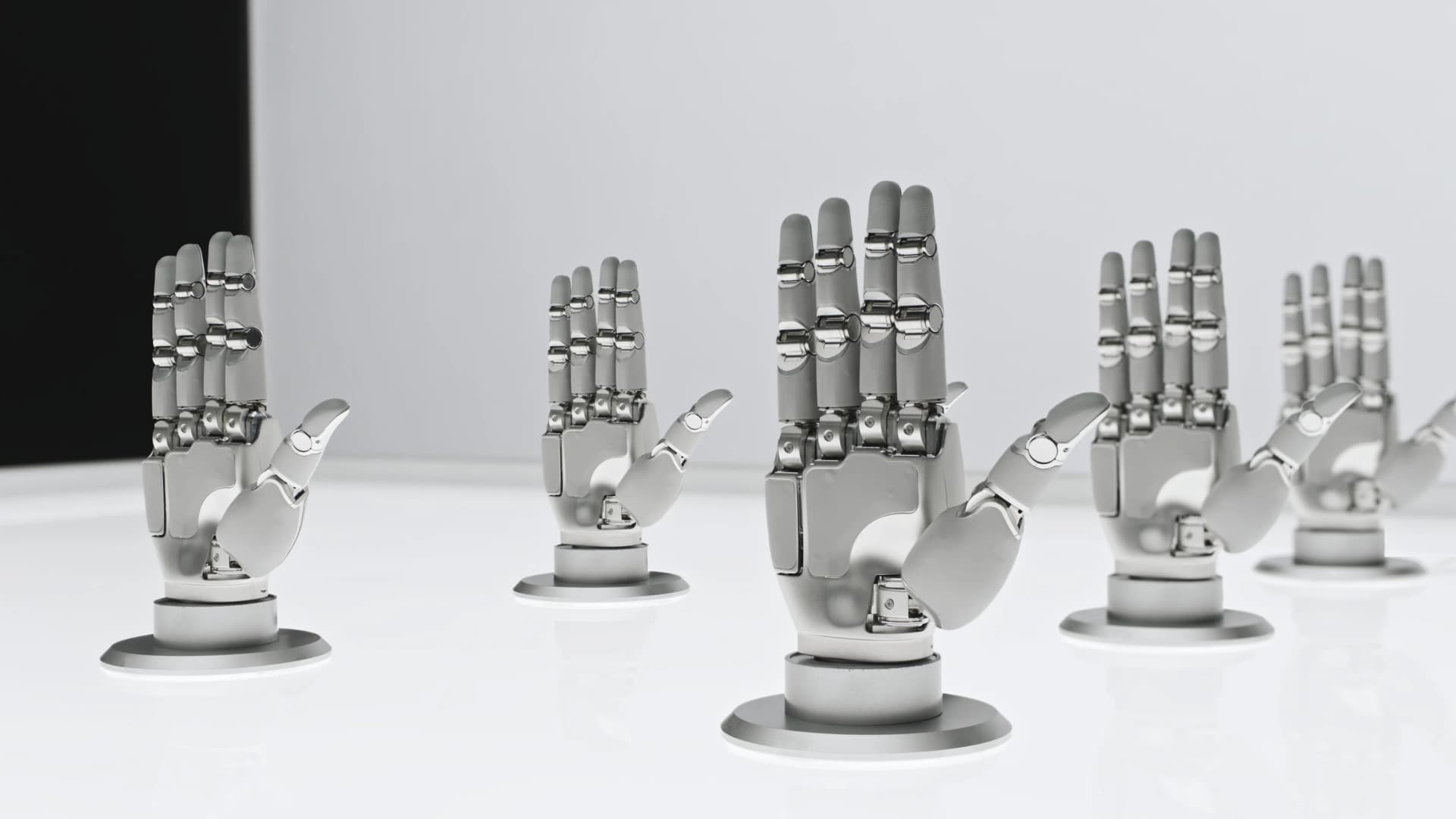
- W02 weighs under 750 grams and has 21 active degrees of freedom, combining optical fingertip sensors with electronic skin across the fingers and palm.
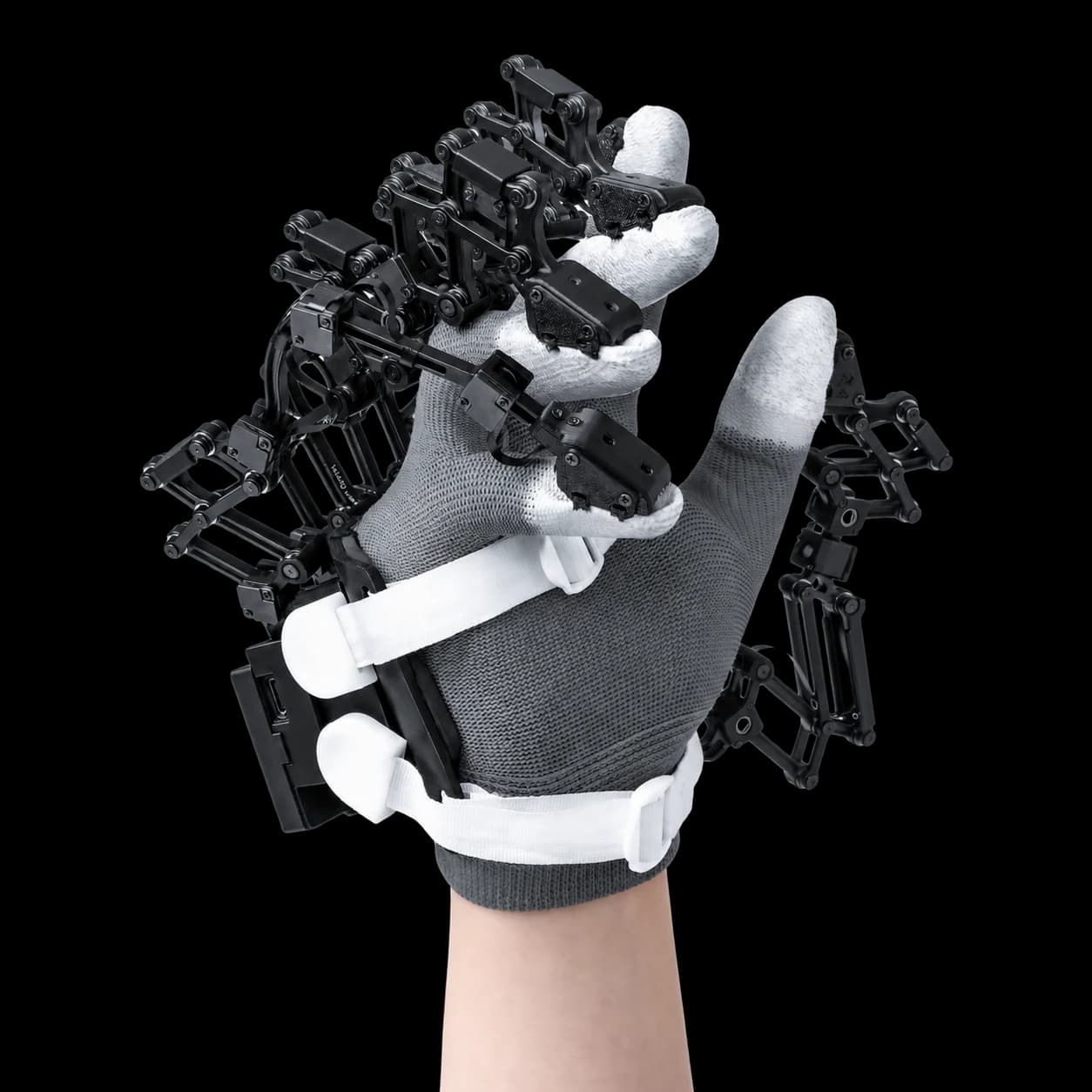
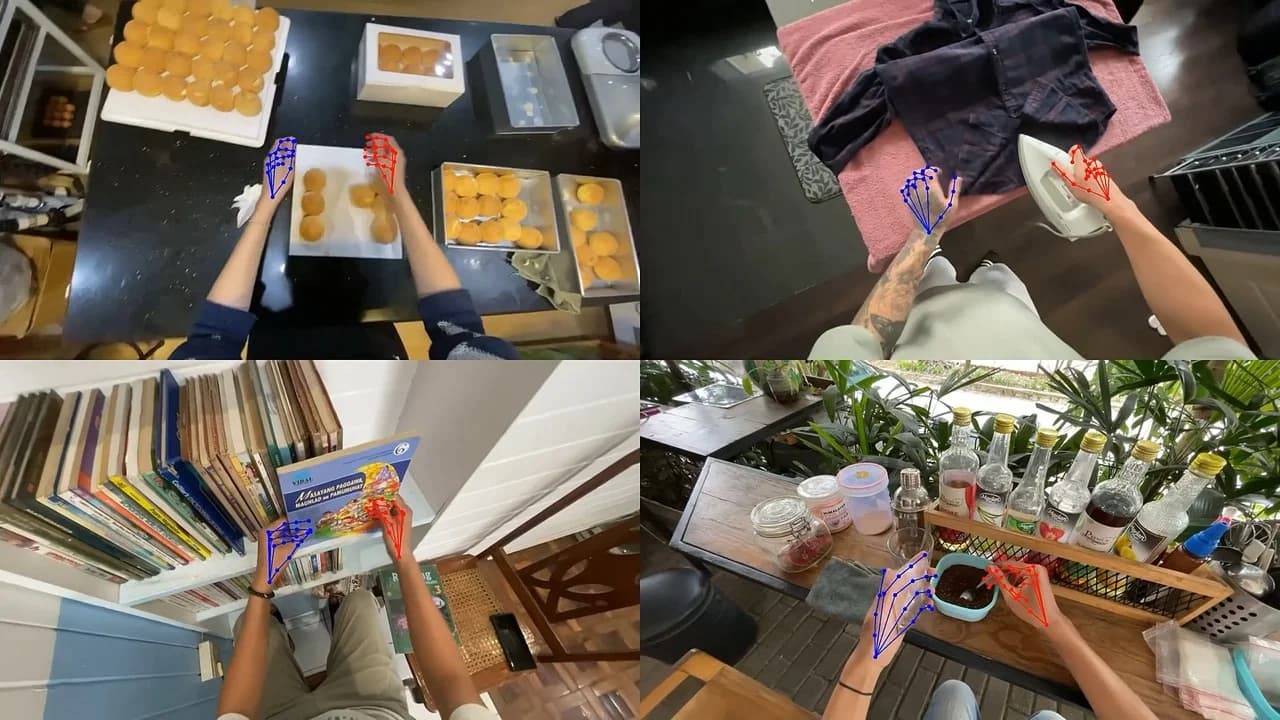
- AE01 captures hand motion through 22 encoders and provides fingertip vibration feedback for teleoperation and training-data collection.
- Sharpa is taking sales enquiries; the launch materials do not specify public prices or delivery dates.
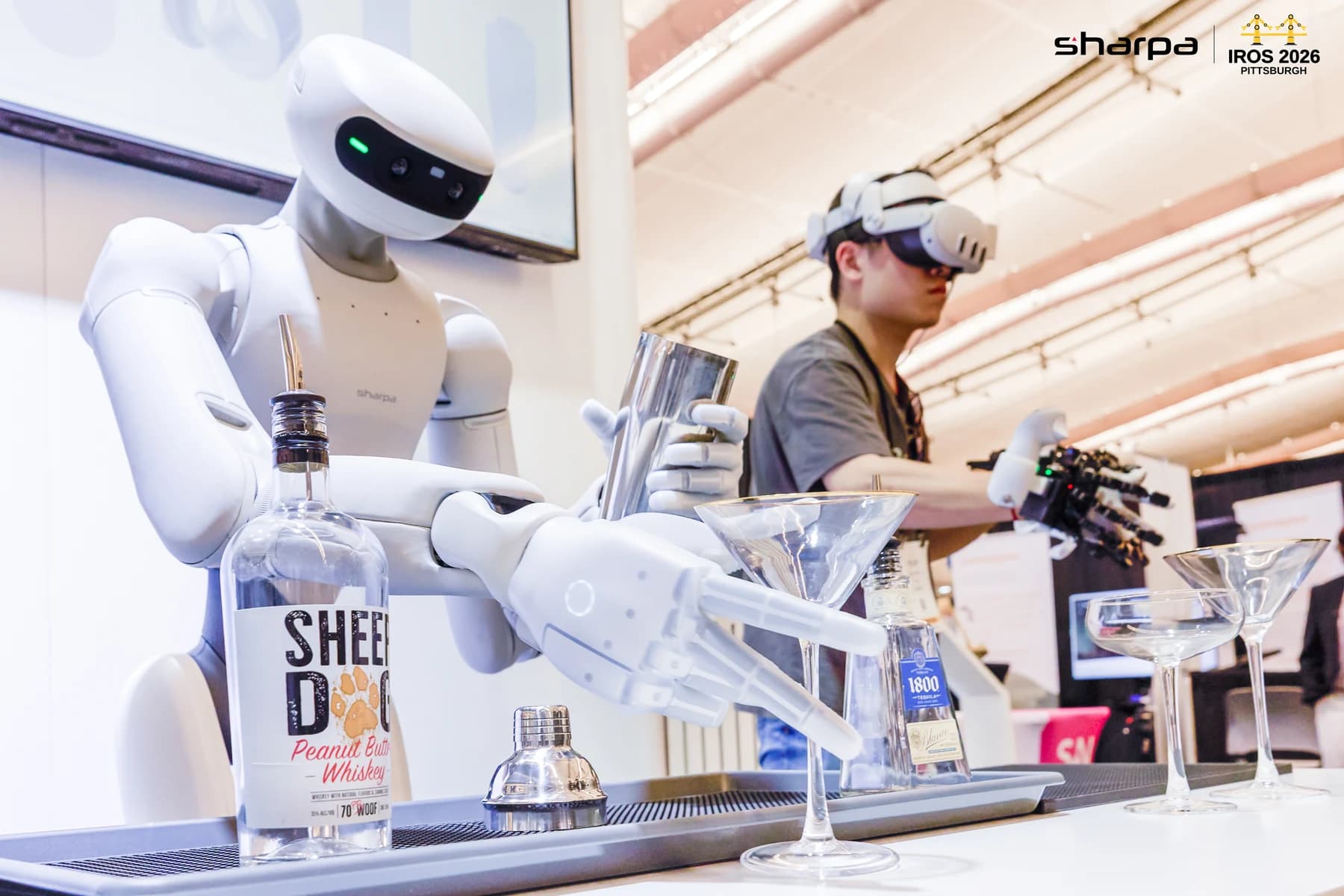
D01 brings touch into the robot body
The D01 product page lists 66 degrees of freedom including the hands, NVIDIA Jetson Thor computing and control frequencies up to 1,000 Hz. Its approximately 40 kg weight explicitly excludes the chassis.
Sharpa specifies a maximum end-effector speed above 10.5 meters per second and repeatability of ±0.2 mm. Those describe particular hardware capabilities, rather than the speed or accuracy a customer should expect across an entire autonomous task.
The weekly humanoid robotics briefing
One email a week: the launches, funding and research that mattered, with context from Humanoids Daily.
Read recent issuesThe body’s electronic skin samples contact at 100 Hz, with 10 mm spatial resolution and 0.2 N force resolution. Its stated force-sensing range is 0.1–20 N per sensing element under the listed conditions. That gives a controller information about contact on the body as well as at the hand—potentially useful when handling objects close to the torso or responding to unexpected contact.
Sharpa presents this as a foundation for interaction around people. Tactile coverage alone, however, does not establish the safety of a complete application.
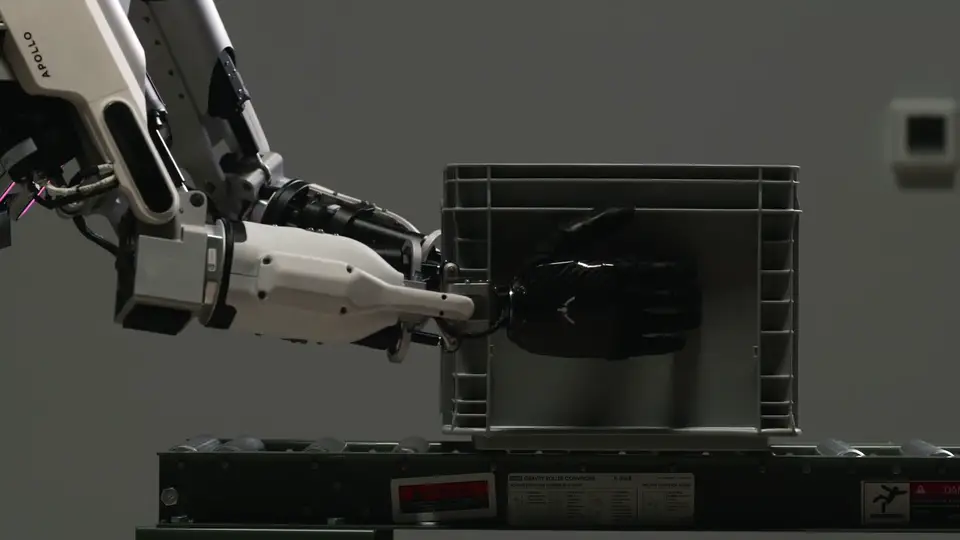
Jonathan Stephens shared footage of Sharpa’s demonstration at IROS, noting that visitors could try the challenge themselves.
W02 reduces weight and extends sensing
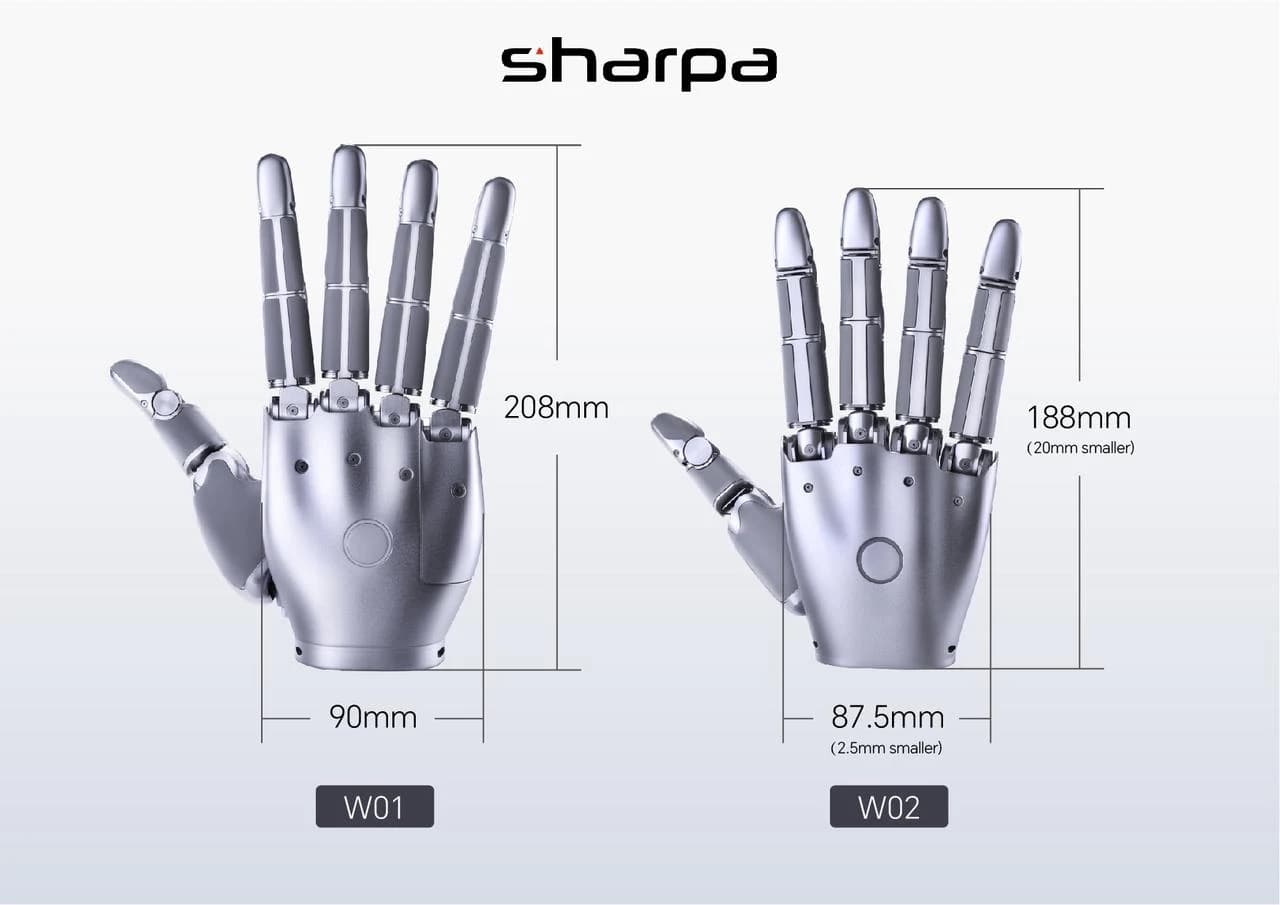
The Wave W02 measures 188 × 87.5 × 40 mm and weighs less than 750 grams. Its 21 independently driven movements come with a listed operating speed of 3 Hz.
For context, our September guide to Sharpa Wave and Wave SE recorded 1.3 kg and 22 active degrees of freedom for those configurations. W02 therefore offers a substantially lighter package, with one fewer active degree of freedom.
Its fingertips retain Sharpa’s vision-based Dynamic Tactile Array, which detects contact through optical sensing. The specification sheet lists 1 mm spatial resolution and a 5 mN–30 N sensing range. Electronic skin adds sensing across the fingers and palm at 5 mm spatial resolution.
The minimum grasp diameter is listed as zero, intended to support handling very thin objects. The bare hand carries an IP54 rating for dust and splash protection; Sharpa separately lists IP67 when fitted with its official glove.
Lower hand weight can reduce the load on an arm, while broader touch sensing could help with grasps that involve the palm rather than only the fingertips. How effectively that information is used still depends on the control software.
AE01 lets the operator feel contact
The Avatar AE01 addresses the human side of the system. Its 22 encoders track hand movement, while five vibration motors—one per fingertip—provide 256 feedback levels each. This is vibration-based feedback, rather than a stated mechanism for physically resisting the operator’s finger movements.
Sharpa lists data output at 500 Hz over a wired connection or 150 Hz wirelessly, with respective latency figures of 5 and 10 milliseconds. Battery life is specified at more than three hours, and the company describes operation as calibration-free.
The glove fits a wider pattern explored in our feature on robotics data-collection hardware: better human demonstrations are becoming a product-development priority alongside the robots themselves. AE01 takes an exoskeleton-glove approach to that problem.
From components to an integrated offering
The significance of this launch is the combination. Sharpa is offering the manipulation platform, the contact-sensitive hand and the interface through which an operator can demonstrate tasks. That could reduce integration work for teams building manipulation systems, although the announcement does not quantify those savings or establish performance across customer deployments.
All three product pages direct buyers to request a quote. Sharpa says its IROS exhibition runs through September 30 at booth 514 in Pittsburgh’s David L. Lawrence Convention Center.
Share this article
Read next
- Published on
- Reading time
- 4 min read
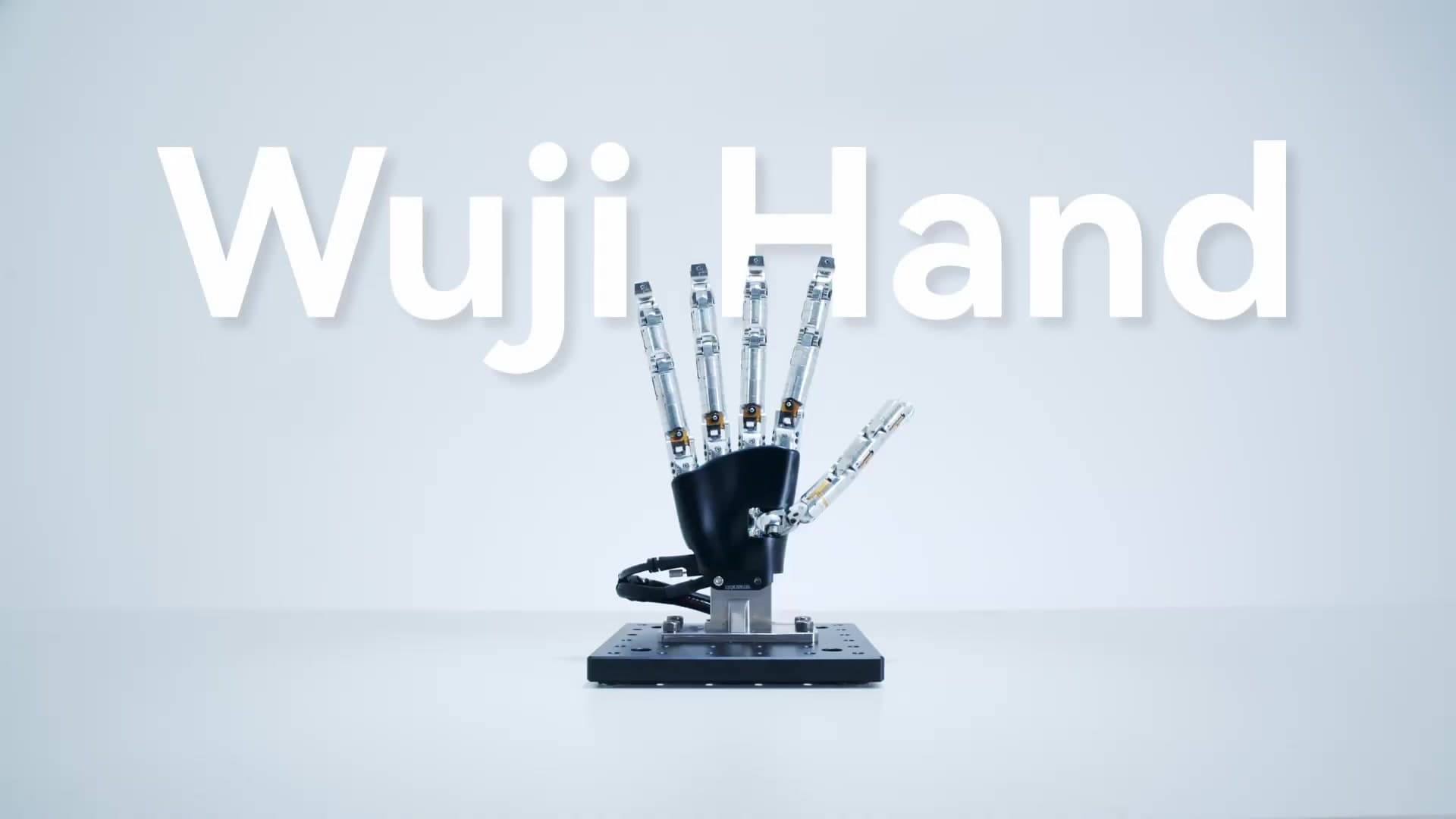
Experts Weigh In on Wuji Tech’s Robotic Hand: A “Remarkably Robust” Direct-Drive Contender
- Published on
- Reading time
- 7 min read
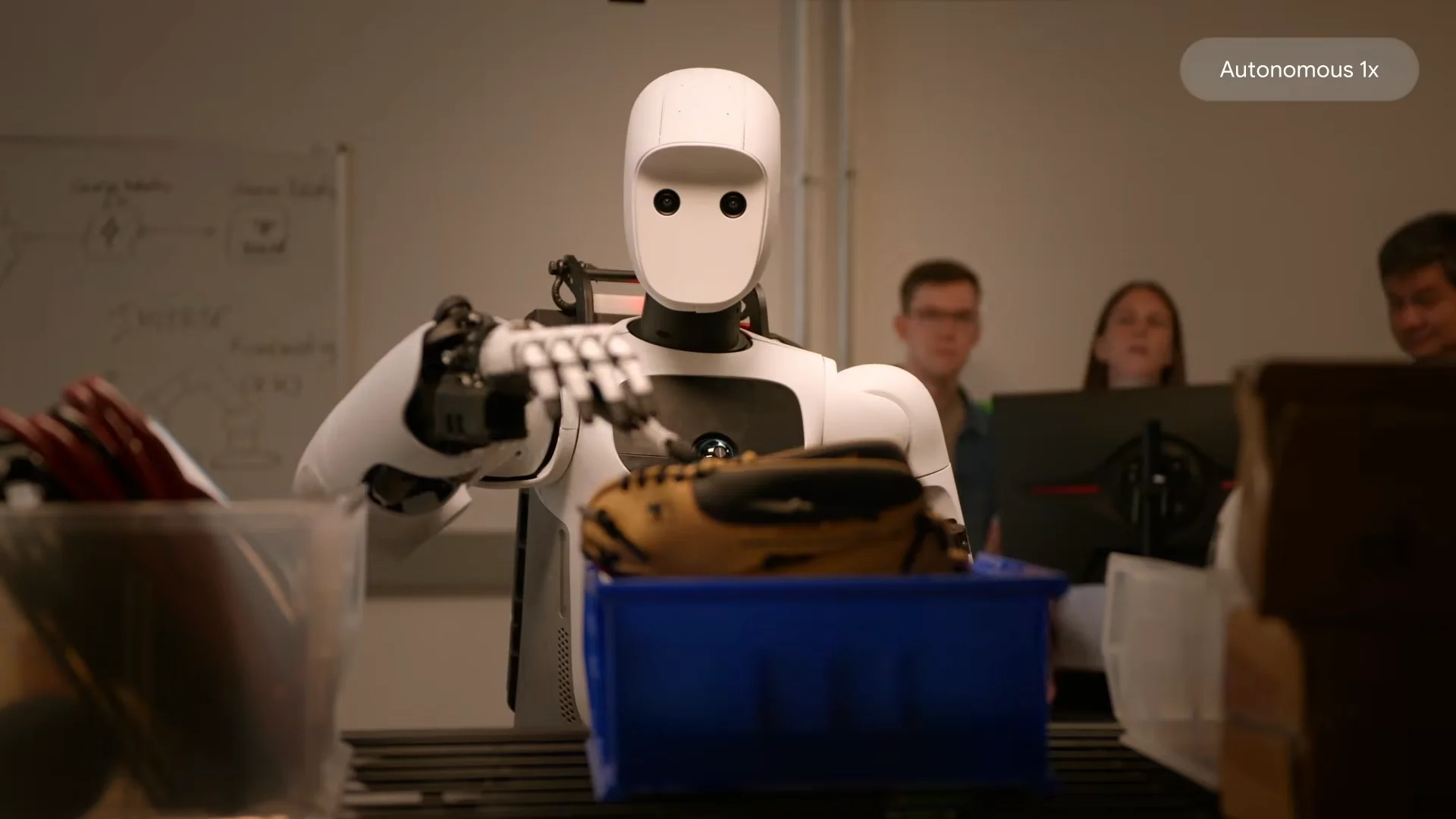
Google DeepMind Unveils Gemini Robotics 2, Bringing Whole-Body Intelligence and Multi-Robot Teams to Physical AI
- Published on
- Reading time
- 6 min read
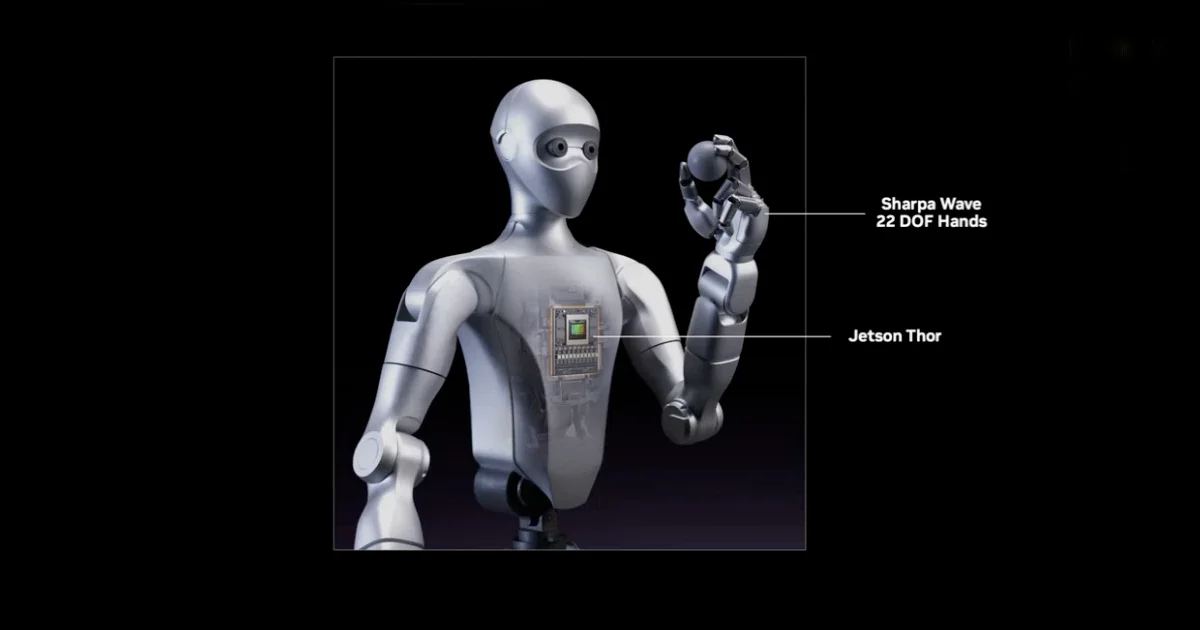
NVIDIA GTC: NVIDIA and Sharpa Unveil Isaac GR00T Reference Humanoid Robot
- Published on
- Reading time
- 4 min read
The Apple Peeling Milestone: How Sharpa’s "MoDE-VLA" Unlocks Bimanual Dexterity
- Published on
- Reading time
- 4 min read
The Human Scale: NVIDIA’s EgoScale Unlocks High-Dexterity Robotics via 20,000 Hours of Human Video
- Published on
- Reading time
- 3 min read
Sharpa Robotics Ramps Up Mass Production of "Vision-Based" Tactile Hand
The weekly humanoid robotics briefing
One email a week: the launches, funding and research that mattered, with context from Humanoids Daily.
Read recent issues