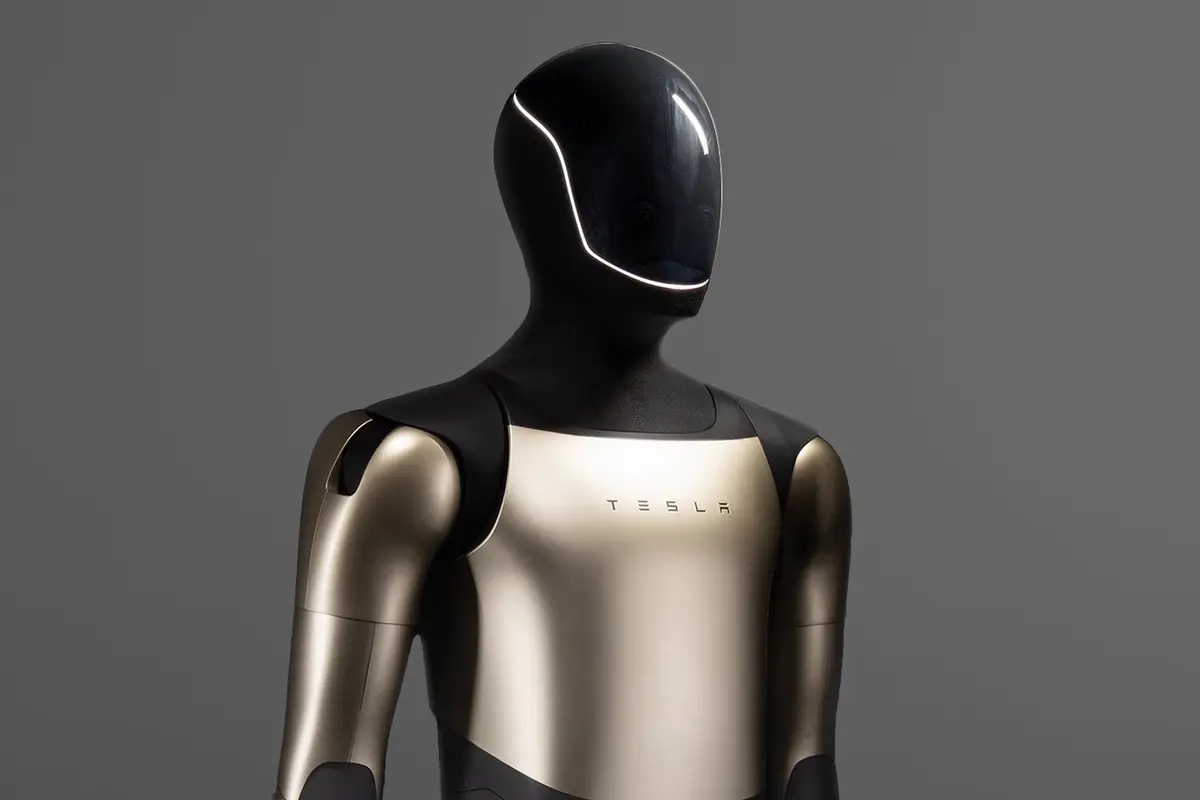
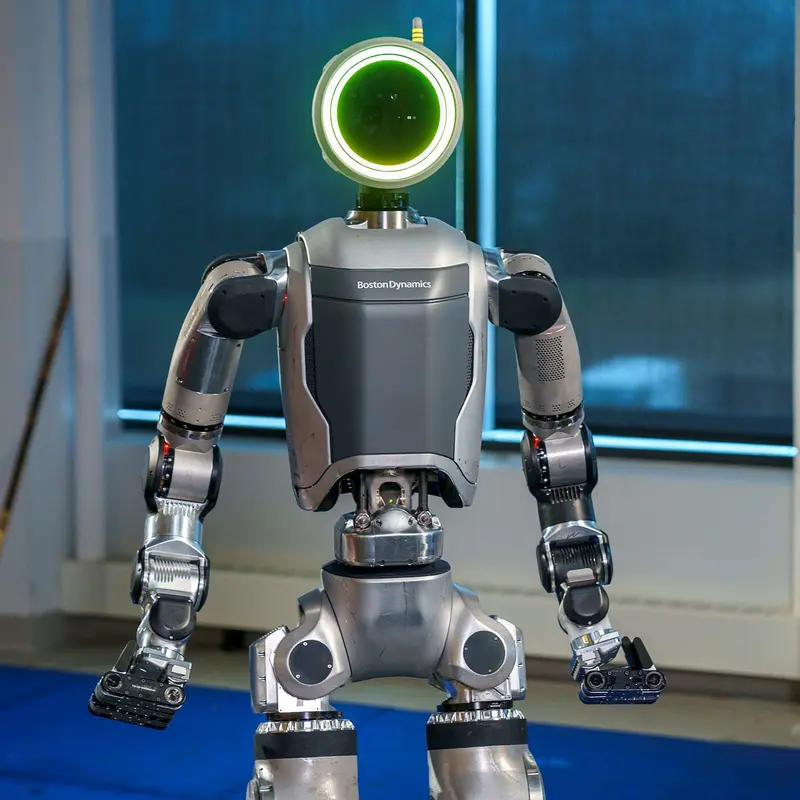
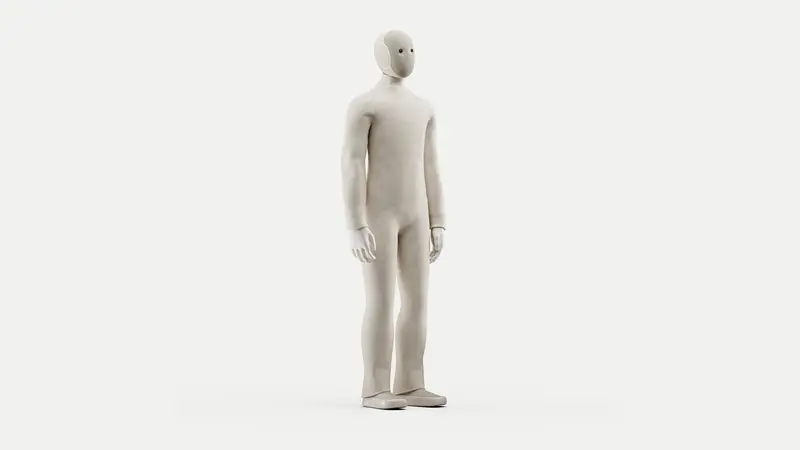
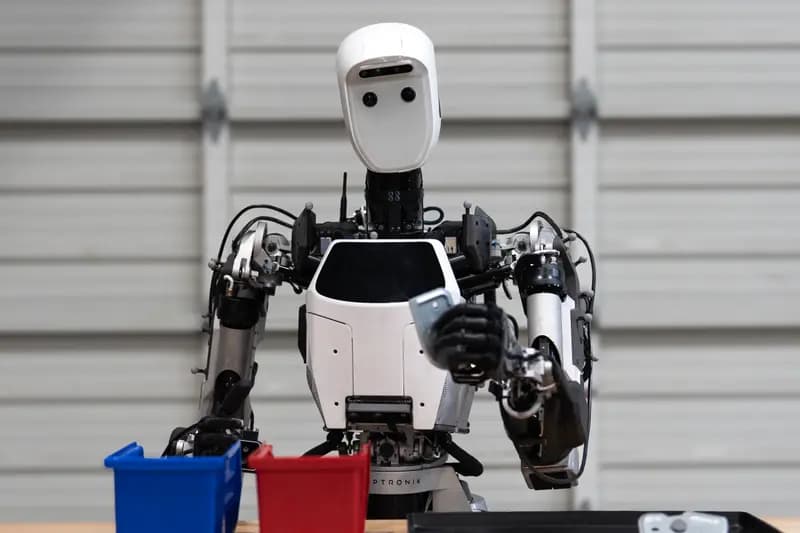
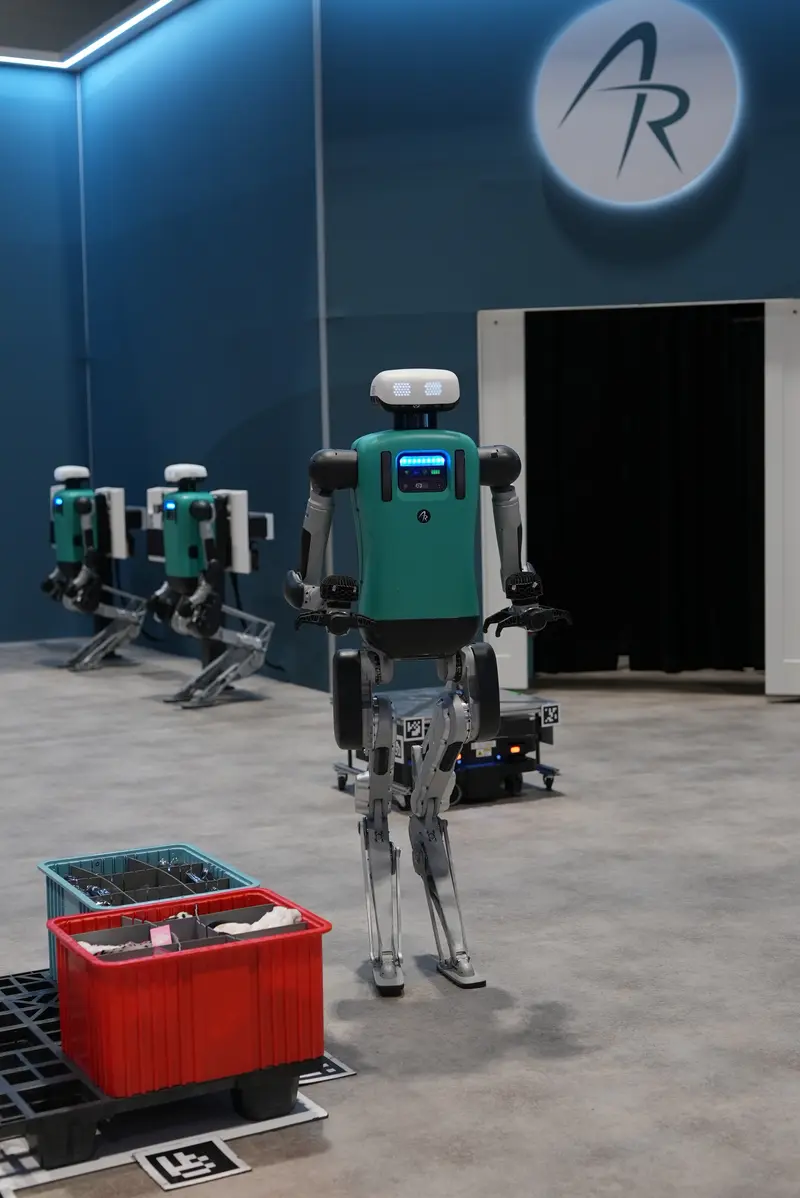
From the first Figure 01 prototype to Figure 03 on the factory floor, Figure is building humanoid robots and the AI that controls them. Here’s how the generations compare, how Helix 2.5 handles unfamiliar homes, and why the upcoming Figure 04 matters.
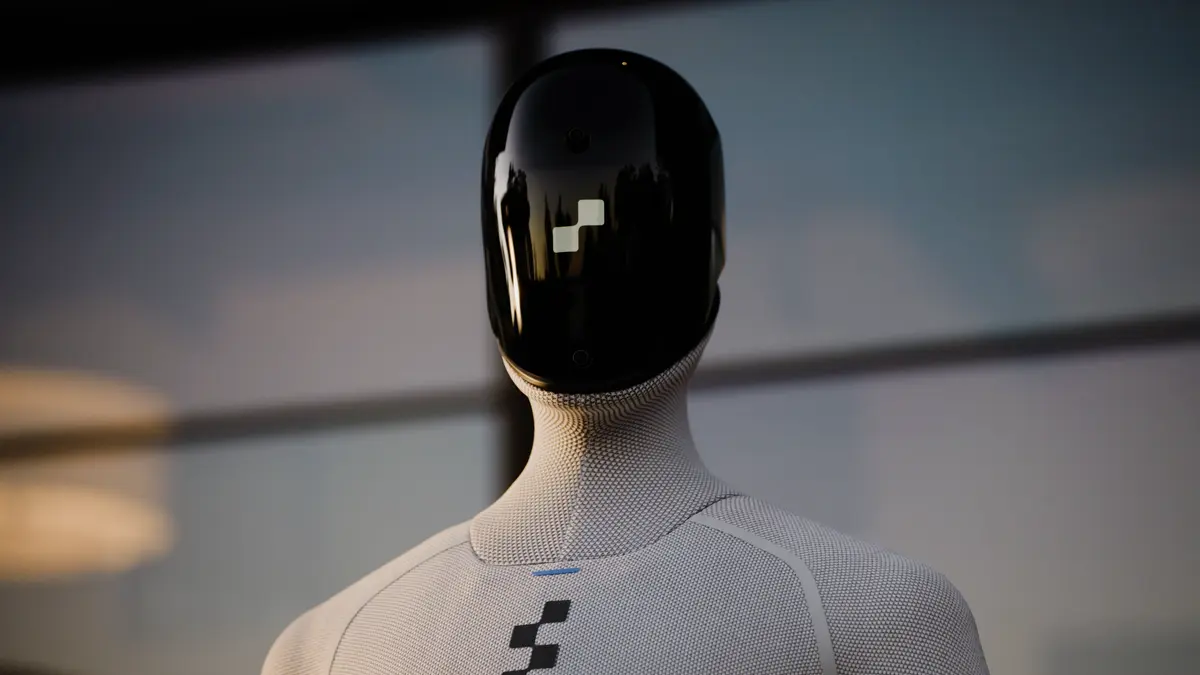
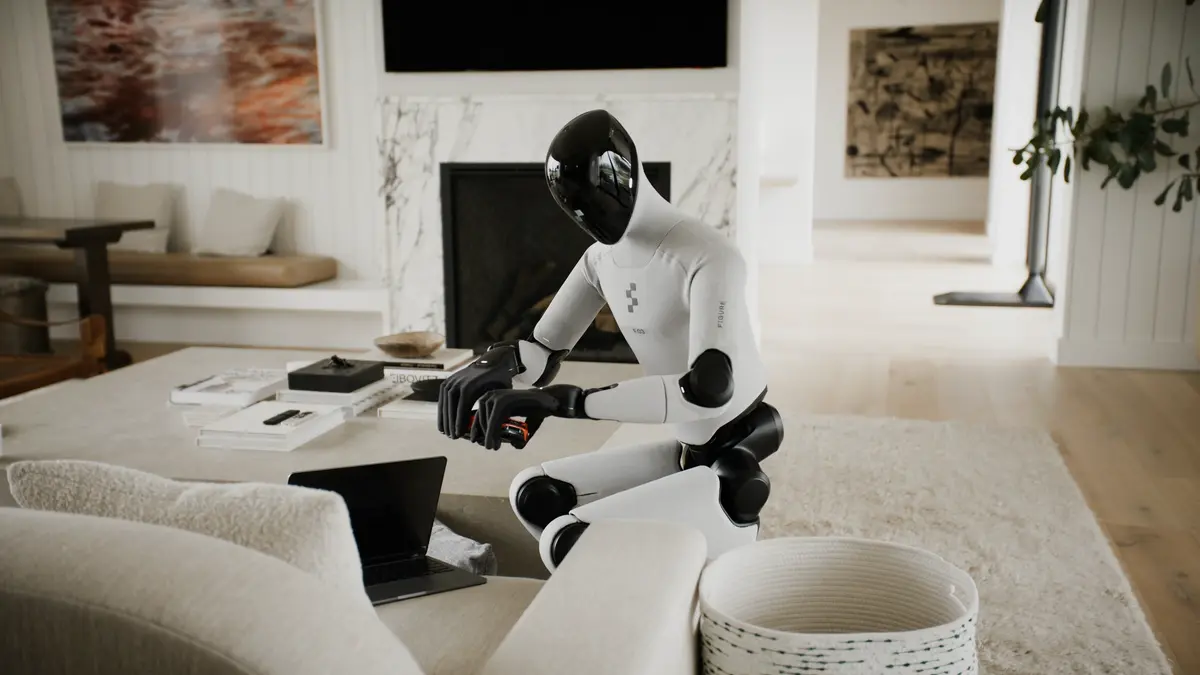
Figure 03, the third-generation humanoid. Image: Figure.
Four generations, one robot family
Figure 01–04 are hardware generations. Helix, Helix 02 and Helix 2.5 are AI systems, with their own development timeline.
First generation
Figure 01
March 2023
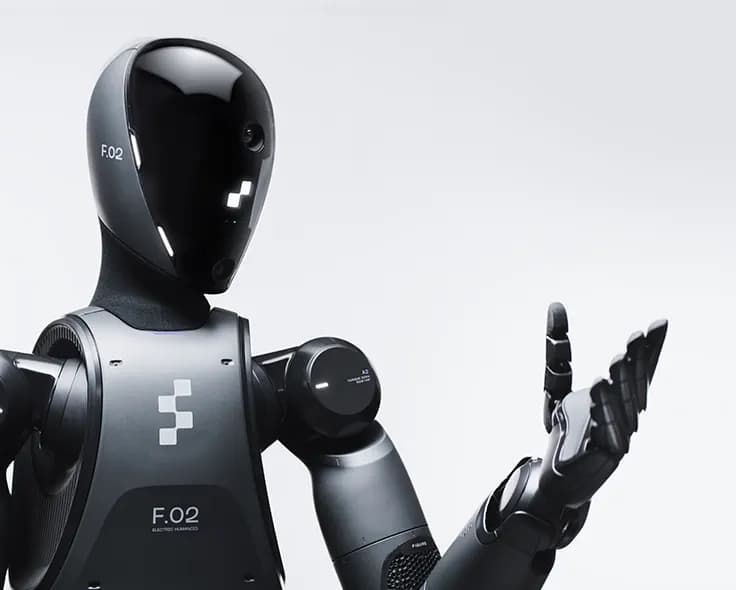
The original platform introduced Figure’s ambition: a human-shaped, general-purpose robot for work. This is the starting point of the hardware family, rather than the model shown in today’s Figure 03 demonstrations.
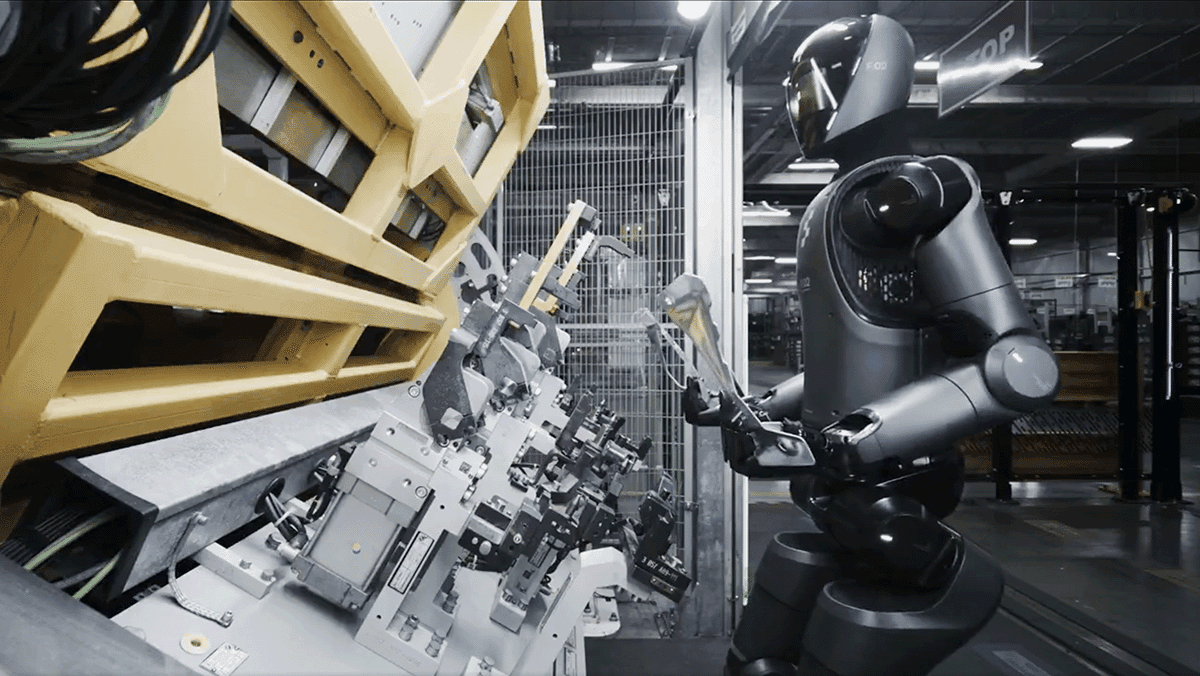
The second generation brought redesigned hardware, improved sensing and more onboard computing. It became the platform used in BMW’s production pilot, providing experience that would inform later designs.
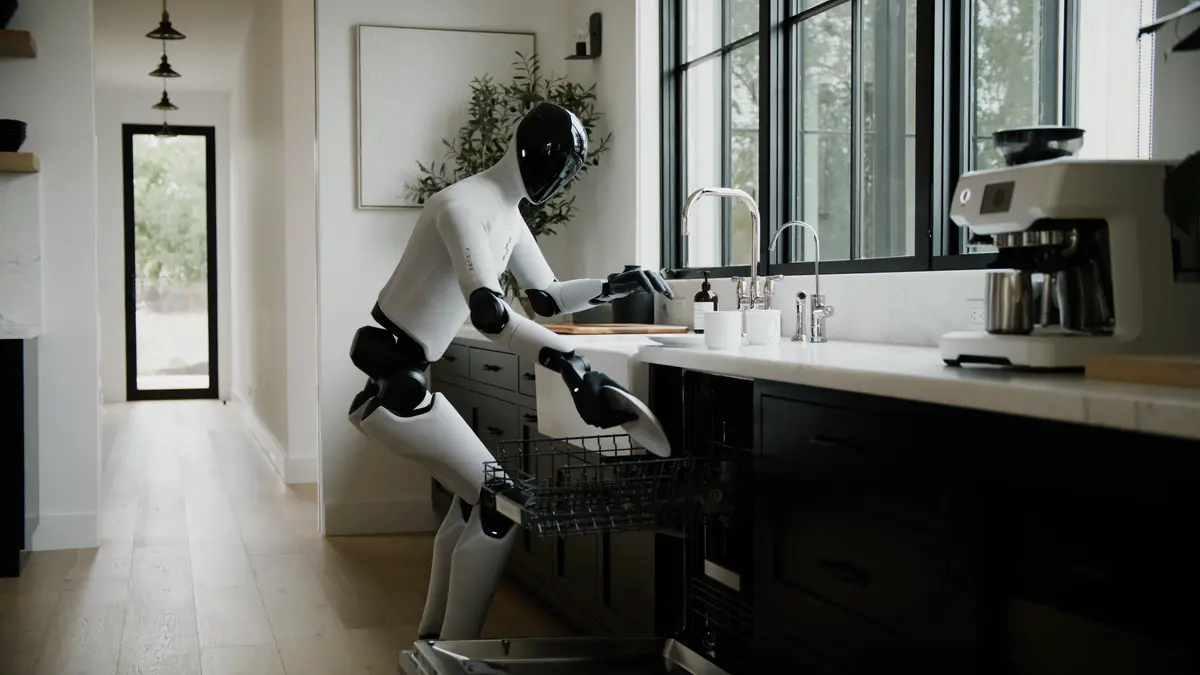
A redesign around Helix, home use and volume manufacturing, with textile coverings, palm cameras, tactile fingertips and wireless charging. This is the robot in Figure’s Helix 02 demonstrations.
Brett Adcock announced design lock for the fourth generation. A design milestone is not a product launch: this guide has no verified Figure 04 specification sheet, price or customer delivery date.
Earlier and current designs from our image library. No Figure 04 hardware is pictured here.
In pictures
Figure: prototypes, factory work and the home
Figure 01, the earlier silver prototype. Image: Figure.
1 / 8
What’s next: Figure 04
Figure 03 is the platform to evaluate today. Figure 04 is the next major hardware development to watch.
In May 2026, CEO Brett Adcock said Figure 04 had reached design lock and that parts were starting to ship. His description signals an ambitious redesign; it does not yet tell us how the finished robot will perform.
Loading the original announcement…
Will Figure 04 be ready for real homes?
Adcock has made clear that he does not yet consider Figure 03 ready to operate freely around his own children. More capable AI is part of that challenge, but the physical robot matters too: its weight, materials and behaviour during contact or a fall all affect how comfortably it can share a home with people.
That makes home readiness a central question for Figure 04. Will the next generation bring a lighter, more forgiving physical design alongside the intelligence needed to handle everyday household tasks? Figure 03’s domestic demonstrations point to the ambition; the next reveal should help show how the hardware is evolving to meet it.
Figure has also teased its seventh-generation hand, with finger spreading and thumb opposition aimed at approaching human dexterity. Hand generations follow their own development cycle: a seventh-generation hand does not mean a seventh-generation robot, and the teaser does not establish Figure 04’s final hardware specifications.
As we explored in our feature on robotic hands, Figure is moving away from its early tendon-driven approach toward direct-drive designs. That choice is part of a wider engineering debate over dexterity, force control, durability and packaging. For a home robot, the useful test is how reliably and gently the hand handles everyday objects.
The listed runtime and payload are not a guarantee of five hours carrying the maximum load. Figure’s public sheet does not give the operating conditions for those numbers. A ten-hour factory shift can also include charging, pauses and support; it is not a battery-runtime measurement.
What changed with Figure 03?
The launch highlighted new palm cameras and tactile sensing, washable coverings and inductive charging through the feet. Figure also redesigned manufacturing around tooling such as die-casting and injection molding. These changes target both interaction with people and repeatable production.
Figure builds its own vision-language-action system, Helix. In plain terms, it connects what a robot sees and the instructions it receives to the movements it makes.
The original Helix, introduced in February 2025, focused on upper-body control and language-guided object handling. This is why the software story belongs alongside the hardware: a new learned behaviour does not necessarily require a new robot generation.
In January 2026, Figure introduced Helix 02, combining walking, balance and manipulation. Its three layers cover reasoning about goals, turning sensor inputs into coordinated actions, and controlling balance and contact with the ground. Figure calls that lowest layer System 0.
The launch demonstration showed a continuous kitchen task lasting about four minutes. Figure described it as autonomous, without human intervention. That is useful evidence for the demonstrated task; dependable assistance across unfamiliar homes still needs broader testing.
Announced on September 17, 2026, Helix 2.5 extends Figure’s AI work to unfamiliar homes. Figure pretrained a foundation model on Index human-behavior data, then adapted it to three behaviors: tidying toys, folding towels and making beds. The demonstrations use Figure 03 hardware; Helix 2.5 is an AI update, not a new robot generation.
Figure evaluated the behaviors across 30 Bay Area homes, using one fixed checkpoint per task. Its “zero-shot” claim refers to the homes and manipulated objects: the chores were learned elsewhere, with no training data collected or model adaptation in the evaluation homes.
Bed making
94/140 trials · 67%
Towel folding
87/140 trials · 62%
Tidying toys
56/140 trials · 40%
Together, the Index-pretrained policies completed 237 of 420 full-task trials, about 56%. Figure says successful runs occurred in every home, which does not mean every attempt succeeded. The evaluation counted safety interventions as failures. These company-run results support transfer to new settings, while leaving a substantial reliability gap before dependable everyday household service.
Figure’s Index platform, announced in August 2026, pays people to record real tasks in homes and workplaces. Figure uses a processing pipeline to filter and label this material for Helix training. More varied human examples are intended to help the AI handle unfamiliar objects and environments; video collection alone does not prove that a robot has mastered those tasks.
Look at how walking and object handling fit together: reaching, repositioning, opening and closing the dishwasher, and continuing to the next step. Those transitions are central to useful household work.
BMW’s February 2026 account says Figure 02 supported production of more than 30,000 BMW X3 vehicles during a ten-month pilot at Spartanburg. The robot handled sheet-metal parts, accumulating around 1,250 operating hours and moving more than 90,000 components.
That means contributing a specific production step, not building entire cars. It is nevertheless valuable evidence because BMW describes an actual workplace application and the integration lessons that came with it.
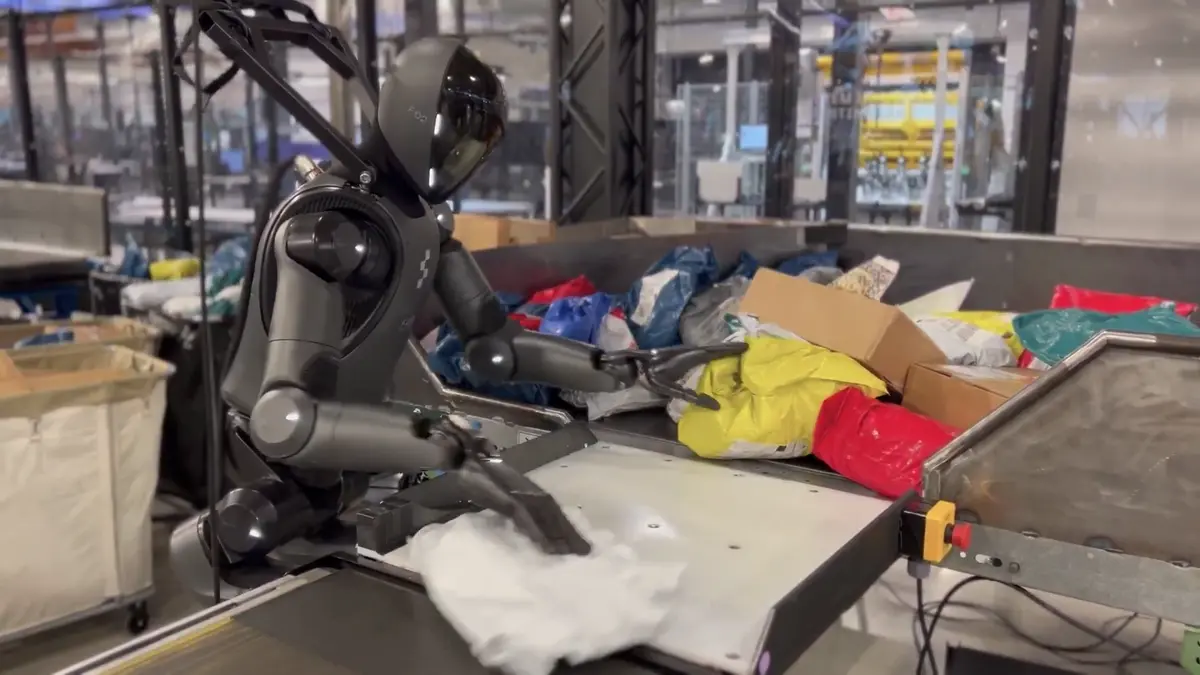
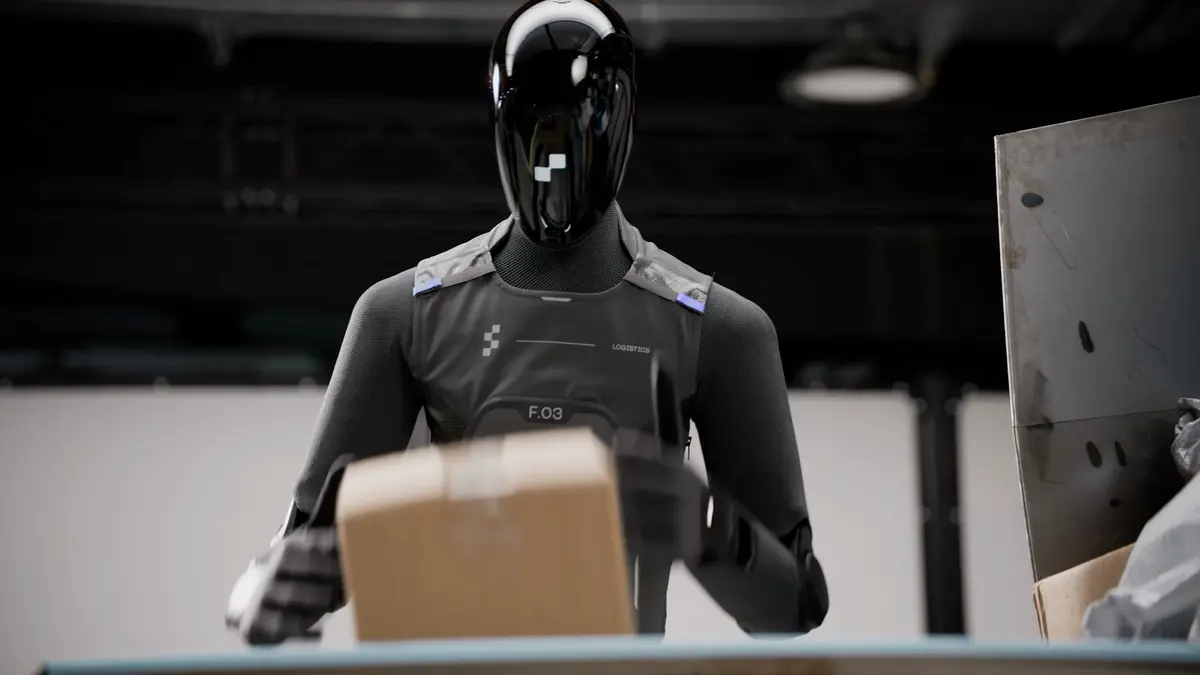
In June 2026, Figure showed Figure 03 at Spartanburg performing logistics sequencing: selecting and positioning parts and moving a cart. Its account describes Helix 02 coordinating the hands and body. This is a new workflow, so Figure 02’s historical operating totals should not be presented as Figure 03’s results.
Figure announced a commercial agreement in May 2026 to deploy robots in Catalyst Brands’ distribution network, beginning in Reno, Nevada. The announcement establishes a customer and a starting location; it does not provide a verified fleet size or long-term productivity results.
As of September 2026, consumers cannot buy a Figure robot through a public retail offering. Figure has not announced a public consumer price or a general household delivery date.
Businesses can arrange deployments directly with Figure, as its work with BMW and its commercial agreement with Catalyst Brands demonstrate. The financial terms are not public: it is unclear whether these arrangements involve equipment purchases, leases or robots-as-a-service (RaaS), where customers pay for access to robots and associated services. RaaS is a possible model, but it has not been confirmed for these deals.
In an August 2026 interview, Brett Adcock said Figure’s robots were already generating a return on investment for commercial customers. That is the CEO’s assessment; without published pricing, operating costs and customer-level results, readers cannot independently calculate the economics of those deployments.
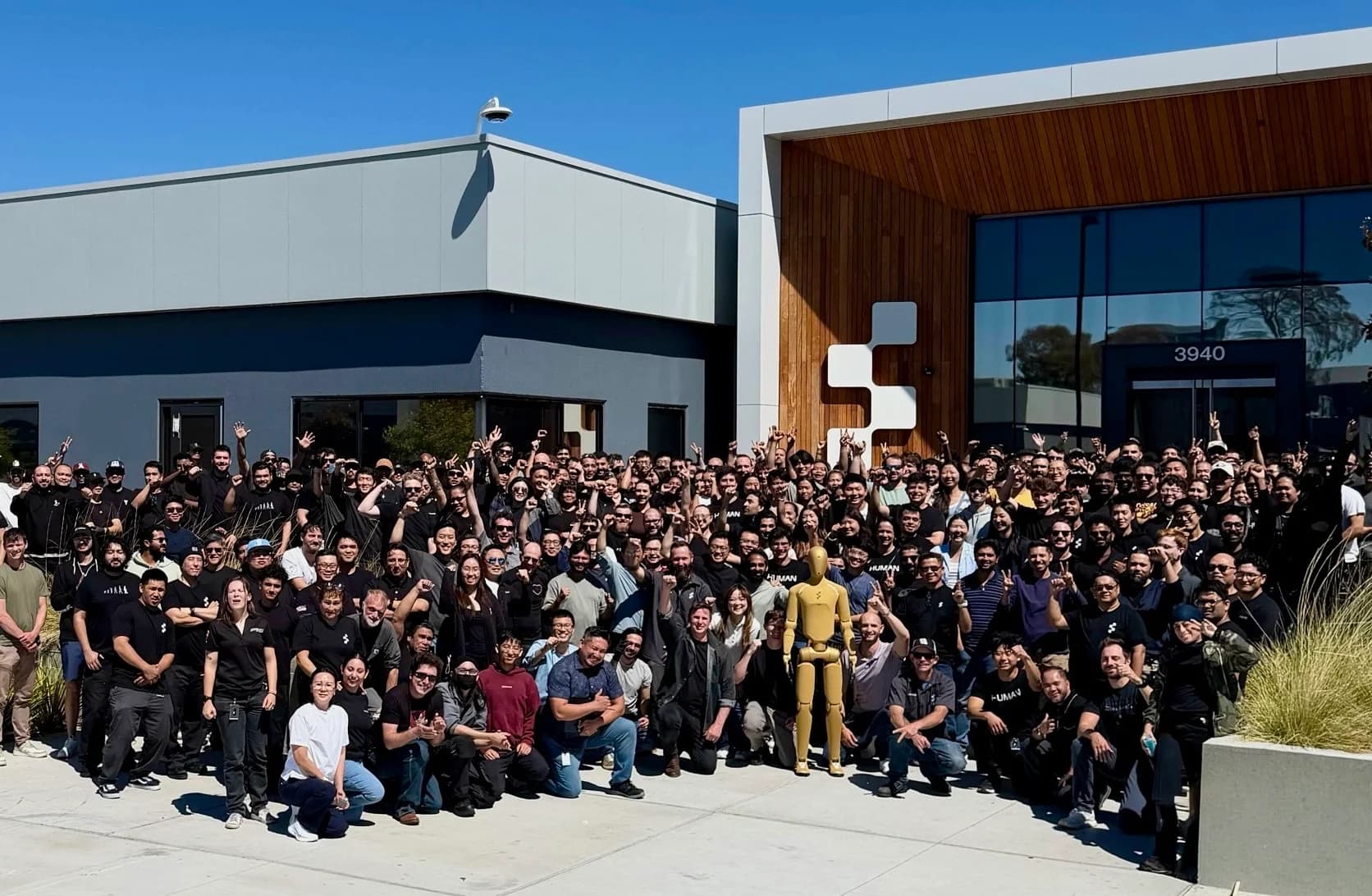
BotQ is Figure’s manufacturing operation. In April 2026, Figure reported more than 350 Figure 03 units built and a demonstrated production cycle of one robot per hour. It said robots were allocated across research, data collection, household-task development and commercial work. Production totals therefore include more than customer deliveries.