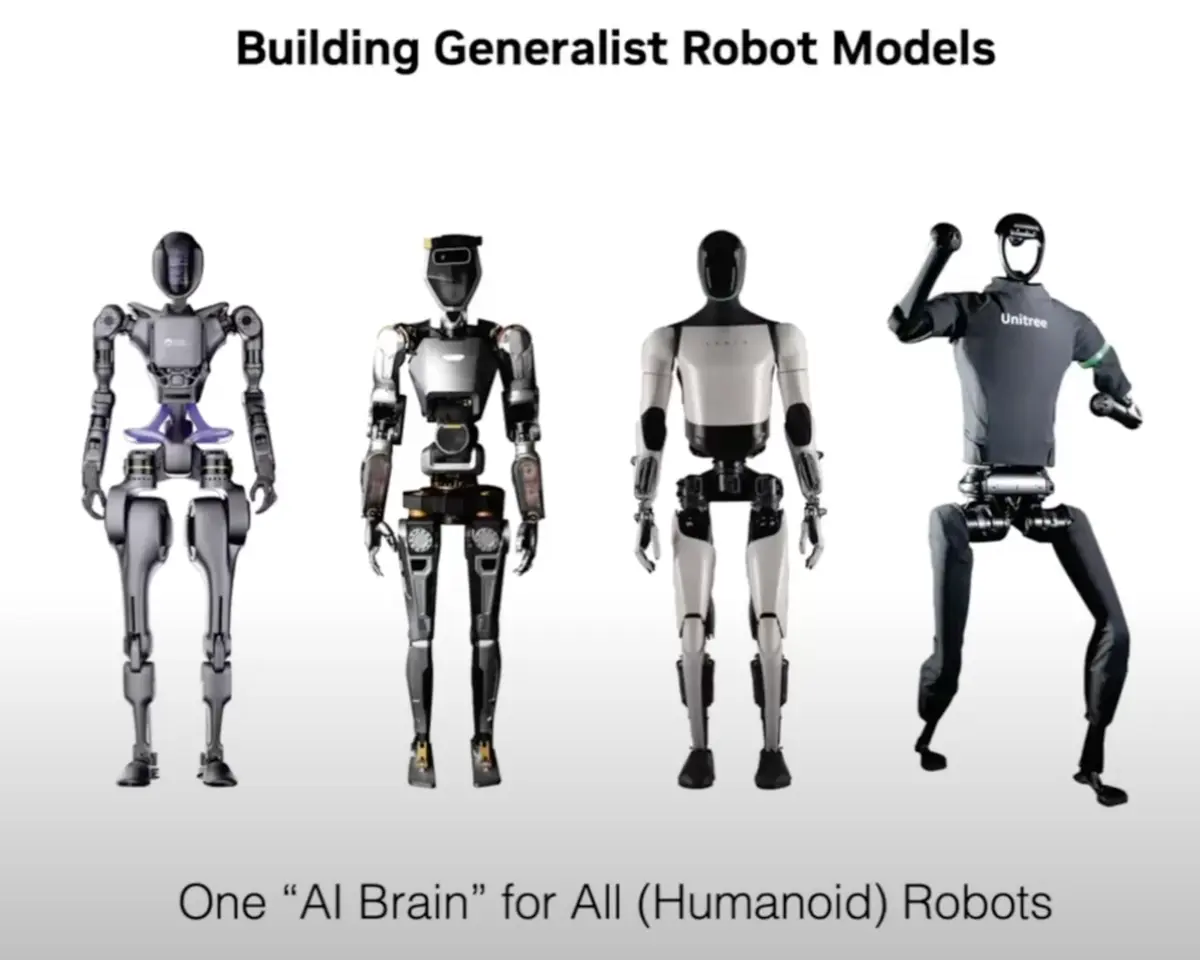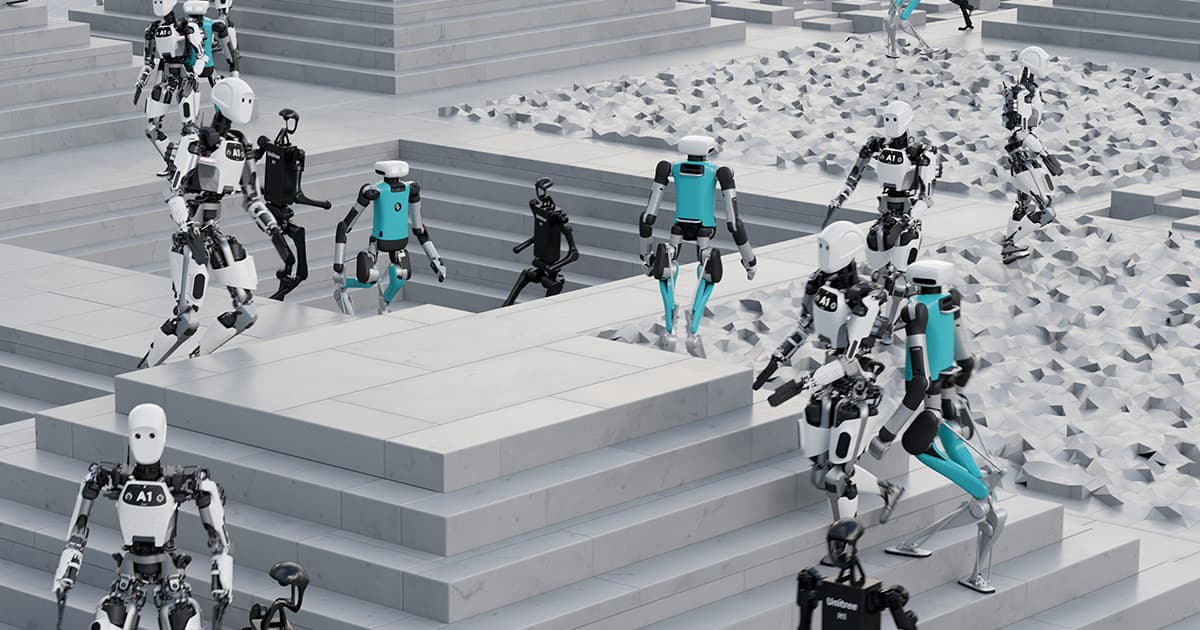
The electronics giant plans to use humanoids running NVIDIAs GR00T foundation model on its production lines, marking a significant test for the "simulation-first" approach to robotics.
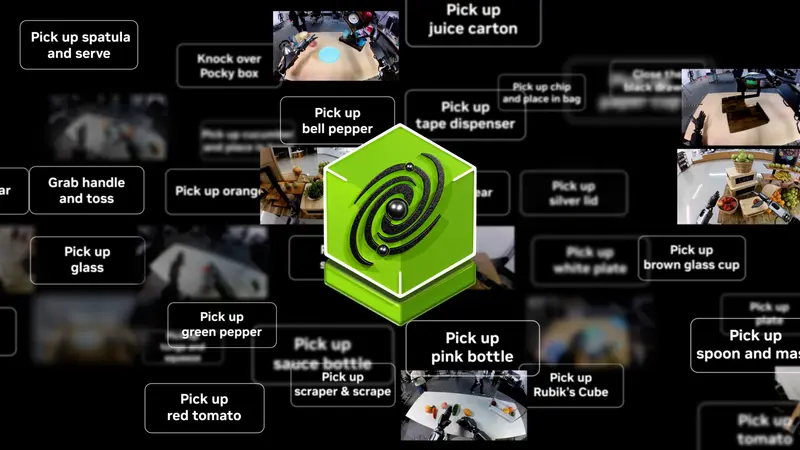
NVIDIA unveils Isaac GR00T N1.5 and new simulation tools, pushing the boundaries of humanoid robot learning and tackling the 'Physical Turing Test' with synthetic data generation.
NVIDIA Research Scientist Yuke Zhu presented Project GR00T at Marktechpost miniCON Open Source AI 2025, detailing the company's simulation-first approach to building generalist foundation models for humanoid robots. Key releases include the open-source GR00T N1 multimodal model and the Hover whole-body controller, designed to enable cross-embodiment capabilities and accelerate development for robotics partners.
Nvidias recent GTC conference highlighted the emergence of "Physical AI," an initiative aimed at enhancing the capabilities of robots to function effectively in the real world. This concept integrates advanced AI models, simulation platforms, and innovative data generation techniques.